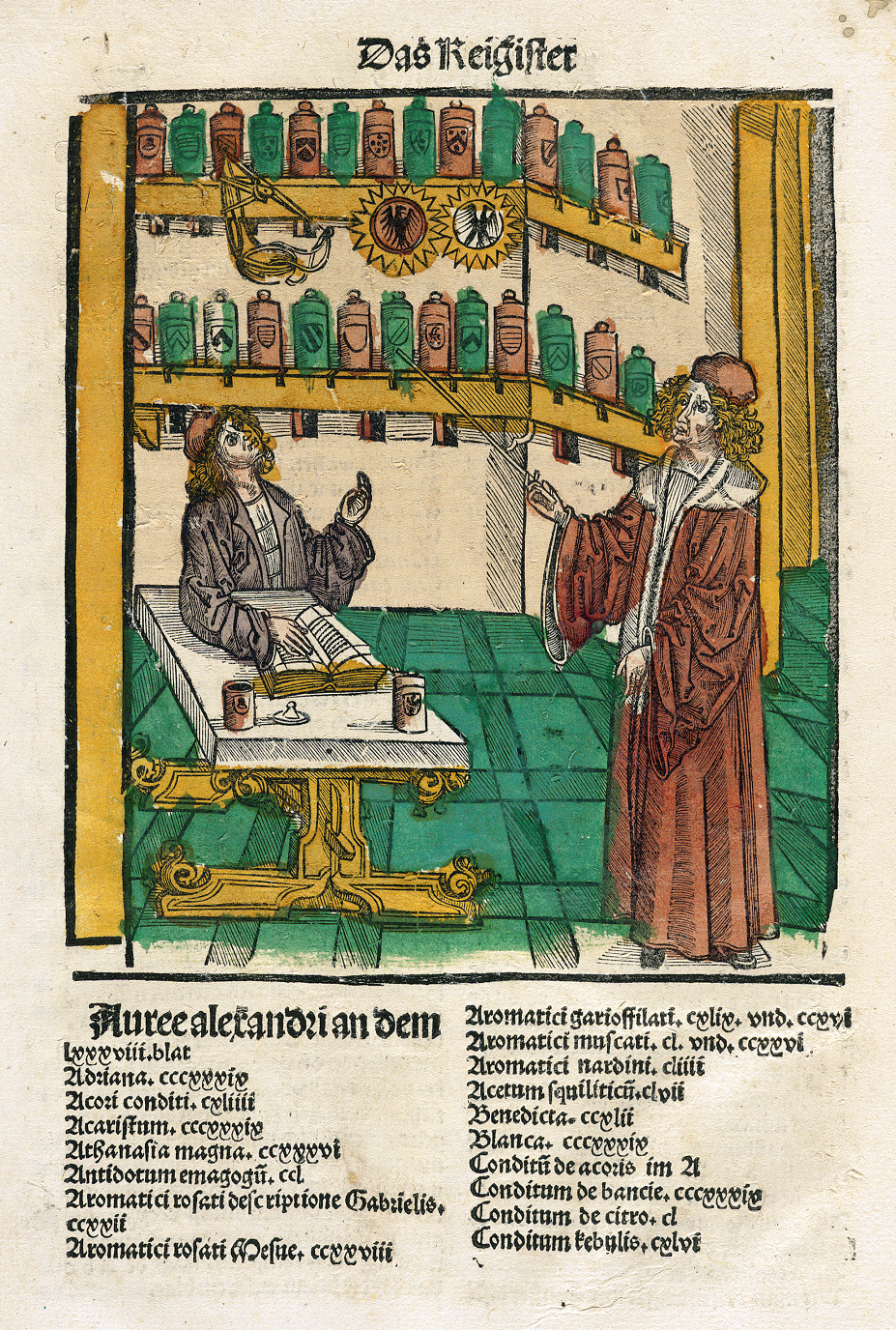
"Harry Potter's World" Coming to Scholes Library

Illustration of an alchemy workshop;  Courtesy National Library of Medicine

Illustration of an alchemy workshop;
Courtesy National Library of Medicine


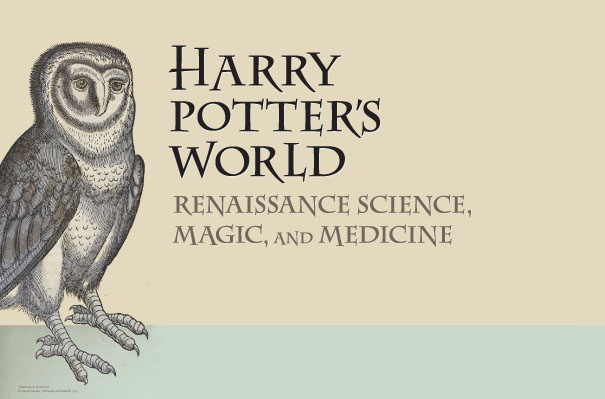
I’m pleased to announce that the Scholes Library will be hosting the “Harry Potter’s World: Renaissance Science, Magic, and Medicine” exhibit from the National Library of Medicine, from August 31st through October 10th! The exhibit will be accompanied by opening and closing receptions, contests, a series of lectures and events, and much more.
The Harry Potter’s World exhibit is a traveling piece that focuses on the Renaissance traditions–scientific, philosophical, and mythological–that influenced the magic and culture in the world of Rowling’s books. Including images of primary sources on topics from alchemy to botany and magical beasts, the National Library of Medicine’s materials will be supplemented by items from our own collection. Items such as the Magiae Universalis Naturae et Artis (as seen below), a 17th century text from special collections, will be on display, tracing the relationships between alchemy, metallurgy, and chemistry.
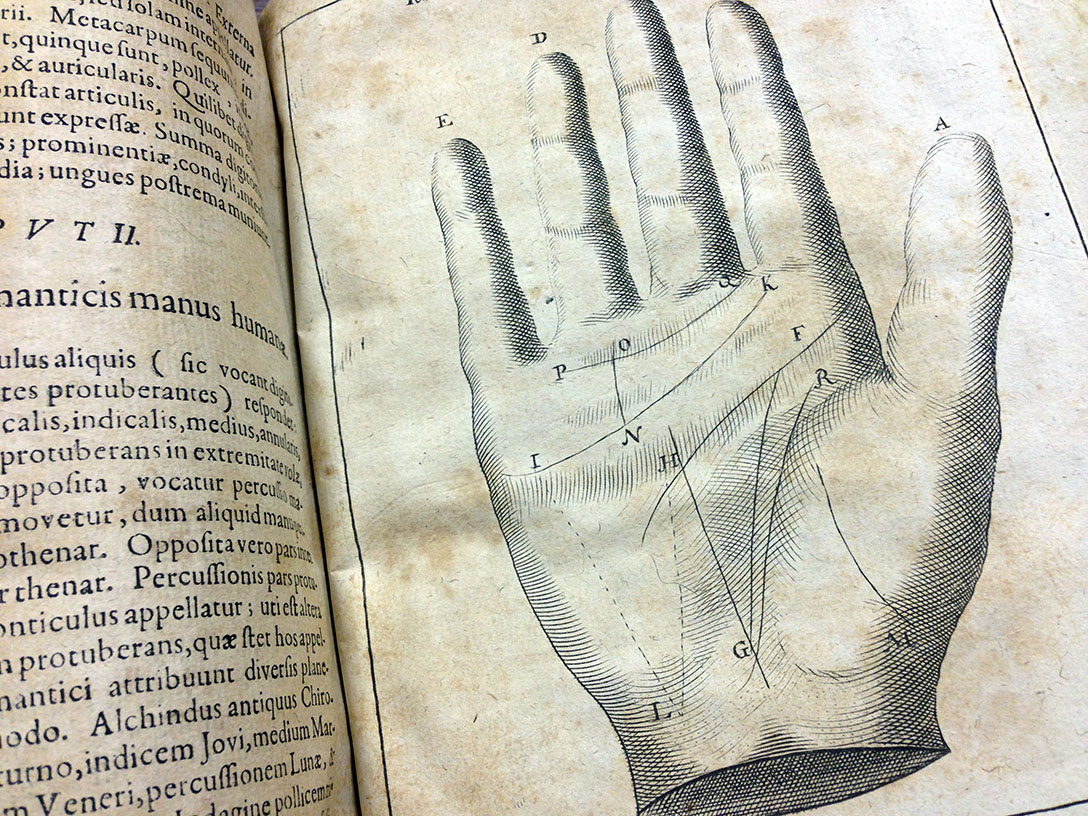
A page from the Magiae Universalis

A page from the Magiae Universalis


We’re planning an extensive program of activities to accompany and enrich the exhibit, and there should be something for everyone. (Butterbeer! Costume contest! Music! Chocolate frogs! Prizes!) For right now, though, we’d like to reach out to all of you, our patrons and readers, and open the door to your involvement in this event.
As part of the Harry Potter’s World Exhibit, the libraries are seeking professors, staff, and community members of all walks of life to come speak on a topic related to Harry Potter–or to put on a demonstration of a relevant skill, or lead a workshop, or almost anything else you can imagine. While lectures directly about Harry Potter are obviously welcome, this concept is very flexible, and we welcome all proposals and suggestions. Maybe you want to take your inspiration from Professor Sprout’s Herbology class and talk about medicinal herbs; maybe you have some insights into the history of witchcraft in England; maybe you’re feeling crafty and want to teach people how to make their own wands. It’s all open!
Several other institutions have held lecture series while hosting this exhibit. Here are just a few of their titles, to help inspire you:

  • “Magic, Illusion, and Ghosts: The Marketing of Science and Psychotropics,” Dr. Glen Spielmans, Metropolitan State University
  • “Quick Quotes and Quibblers: The Role of the Media in the Wizarding World,” Lola Burnham, Eastern Illinois University
  • “Magic, an Anthropological Perspective,” Dr. Don Holly, Eastern Illinois University
  • “Character, Structure, Perspective…and a Castle: A Medievalist Reads Harry Potter,” Dr. David Raybin, Eastern Illinois University
  • “Immortality,” Dr. Thomas Duffy, Yale University

Obviously this is just a tiny selection of the possible range! Let your imaginations run wild; we’re eager to hear your ideas. If you have an idea, a suggestion, a question, a full-fledged proposal, or you’d just like to get involved in some way, please send me an email to sclippa@alfred.edu.
Looking forward to hearing from you!
 

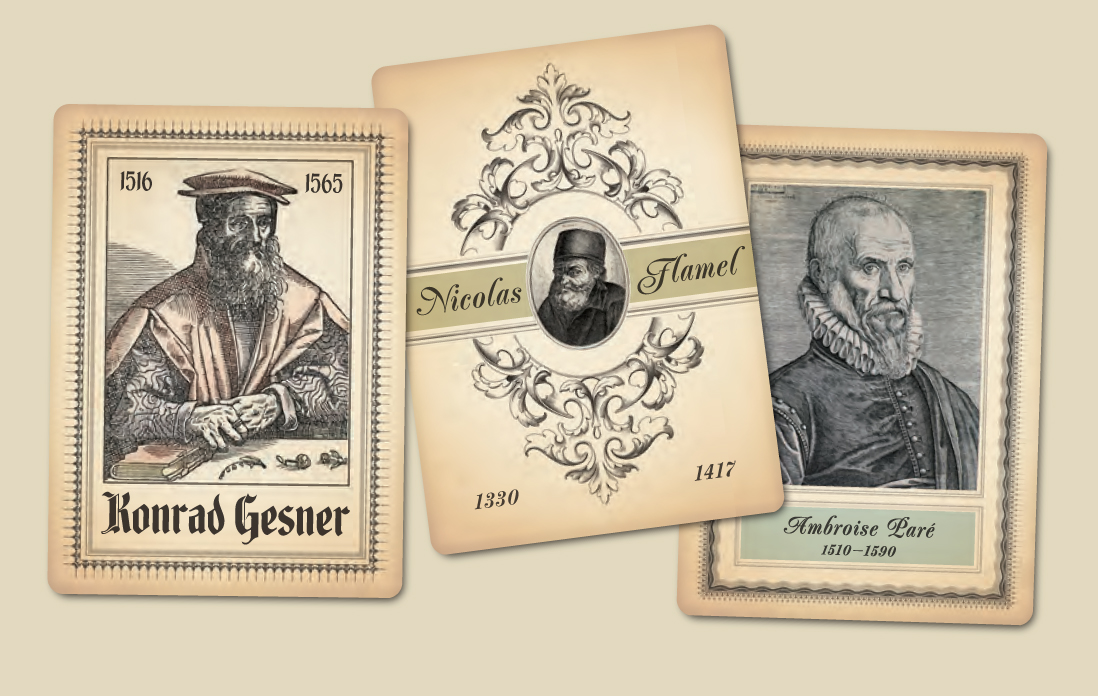
Trading Cards from Harry Potter’s World Exhibition Courtesy National Library of Medicine
Trading Cards from Harry Potter’s World Exhibition
Courtesy National Library of Medicine

Mayan Hearts: New Artist's Book

Just a quick note for those interested in artists’ books–or in Mayan art and culture, for that matter.
The Smithsonian Libraries very kindly passed on to us an extra copy of the artist’s book Mayan Hearts by Robert Laughlin, an anthropologist at the National Museum of Natural History and specialist in the Mayan language of Tzotzil.
Mayan Hearts has its origins in the 16th century, at least, when an anonymous Dominican friar created a Tzotzil-Spanish dictionary. The original dictionary was lost in 1914, when the Mexican revolutionary army used its housing library as a stable (removing and destroying the books in the process), but a copy had been made shortly beforehand on the orders of Bishop Francisco Orozco y Jimenez. Upon encountering the dictionary in the vaults of Princeton University’s library, Laughlin was struck in particular by the Tzotzil use of heart-related metaphors to discuss emotion, and sought to illustrate and compile these evocative turns of phrase.
You can encounter these Mayan metaphors and their modern illustrations–by Uruguayan artist Naul Ojeda–in our Special Collections room, along with the rest of our artists’ book collection.
MayanHearts

New books on Japanese art

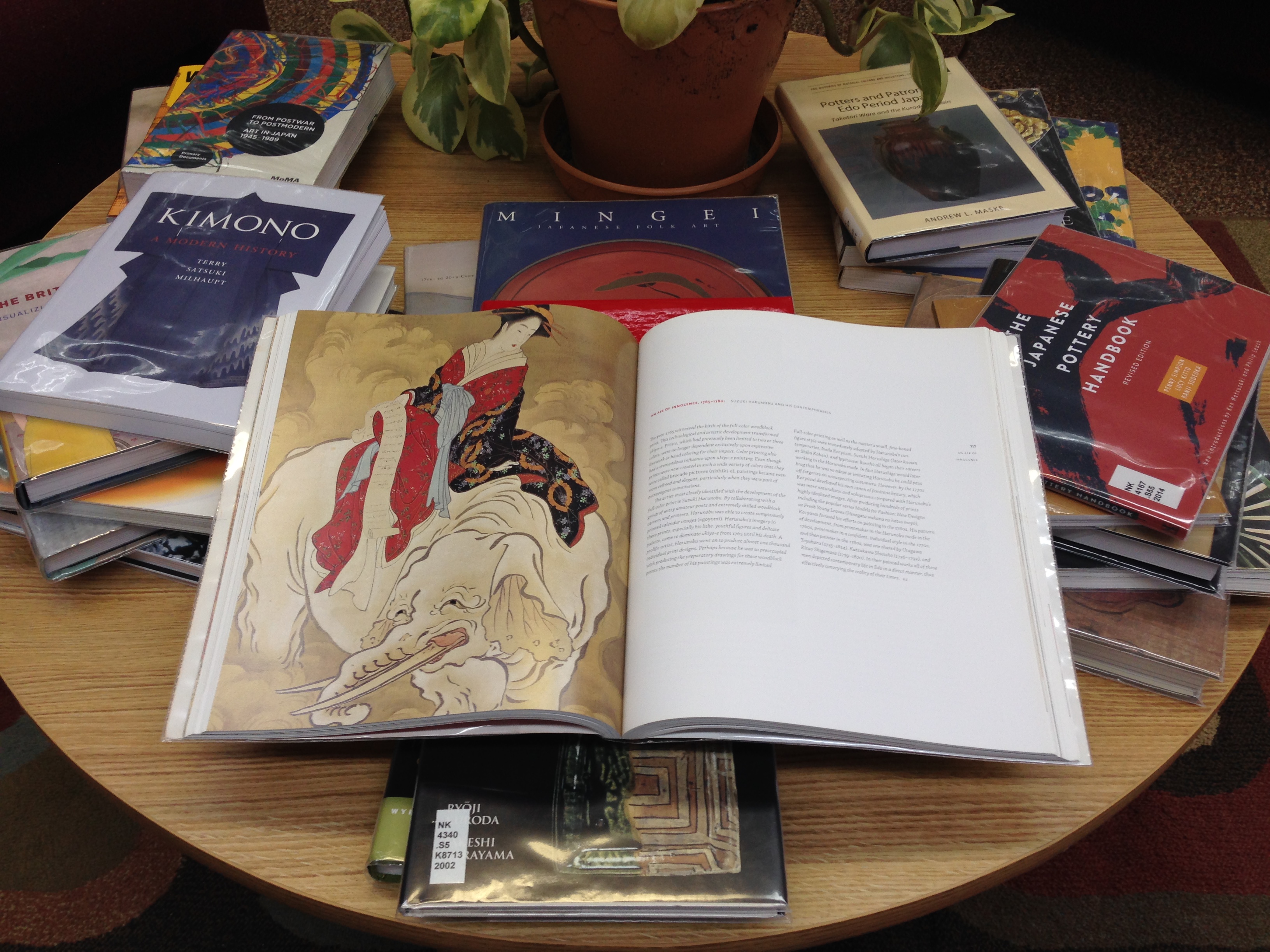
Researchers, fans, and students of Japanese art and culture–rejoice! Scholes has just added 24 new books on Japanese art to the collection (with more on the way)!
This exciting addition is due to a grant secured for the library by Professor Meghen Jones and myself (Art Librarian Eva Sclippa). The grant, from the Northeast Asia Council of the Association for Asian Studies, was awarded to help the Scholes Library update and expand its collection in the subject area of Japanese art. Upon arriving at Alfred University this past year, Dr. Jones quickly drew my attention to the limited scope of our offerings on the topic; upon further research, we discovered that over 75% of our books on Japanese art were published prior to 1975–the collection was desperately in need of revitalization. We’re very grateful to the NEAC for the support of this grant.
The books are currently out on the new books shelf in the lobby of the library, just as you walk in the front doors. We encourage you to browse them and see if any catch your interest; there are some really beautiful items out there! Here are some short profiles of a few especially interesting ones, selected entirely on my personal whims:
kimono

Kimono: A Modern History

Terry Satsuki Milhaupt
Reaktion Books, London, 2014
ISBN: 1780232780
The kimono is one of the most famous items or images associated with Japanese culture, and certainly with traditional Japanese clothing. But how much do you actually know about them? How did they become such an iconic garment? How are they used and worn today? And, regardless of all those other questions, do you want to see lots of beautiful pictures of really beautiful kimonos?
Of course you do. Go pick up this book.
 
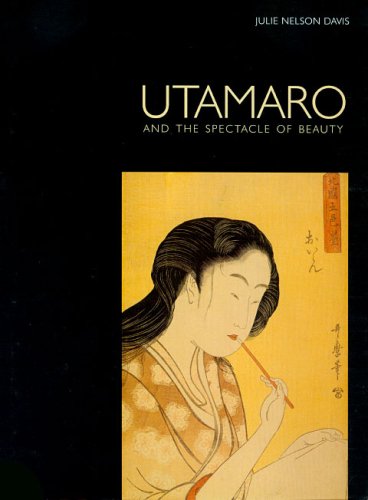
utamaro

Utamaro and the Spectacle of Beauty

Julie Nelson Davis
University of Hawaii Press, Hawaii, 2008
ISBN: 0824831993
If you want to go a bit further back in time in your studies of Japanese art, Davis’s book on Utamaro is one great way to do it. Utamaro was one of the most famous artists of the ukiyo-e (“floating world”) genre, known especially for his portraits and images of beautiful women. In this work, Davis considers Utamaro and his art in the context of the period, particularly the commercial print market.
 
 
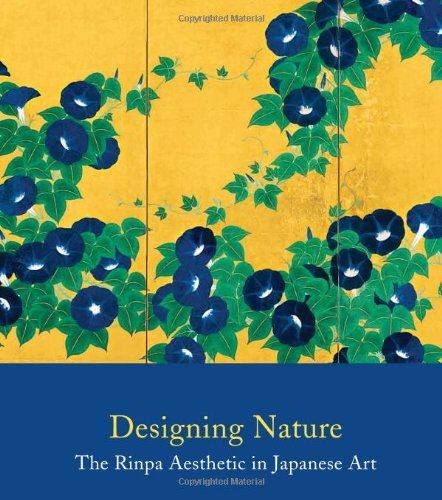
rinpa
Designing Nature: The Rinpa Aesthetic in Japanese Art
John Carpenter
Metropolitan Museum of Art, New York, 2012
ISBN: 0300184999
Earlier still are the lavish artworks in the Rinpa style, featuring bold, colorful images and plenty of shiny gold. This book reproduces images of Rinpa artworks beautifully, allowing the reader to sink into their luxuriousness. Carpenter also studies the influence of the Rinpa aesthetic on Western art.
 
brittledecade
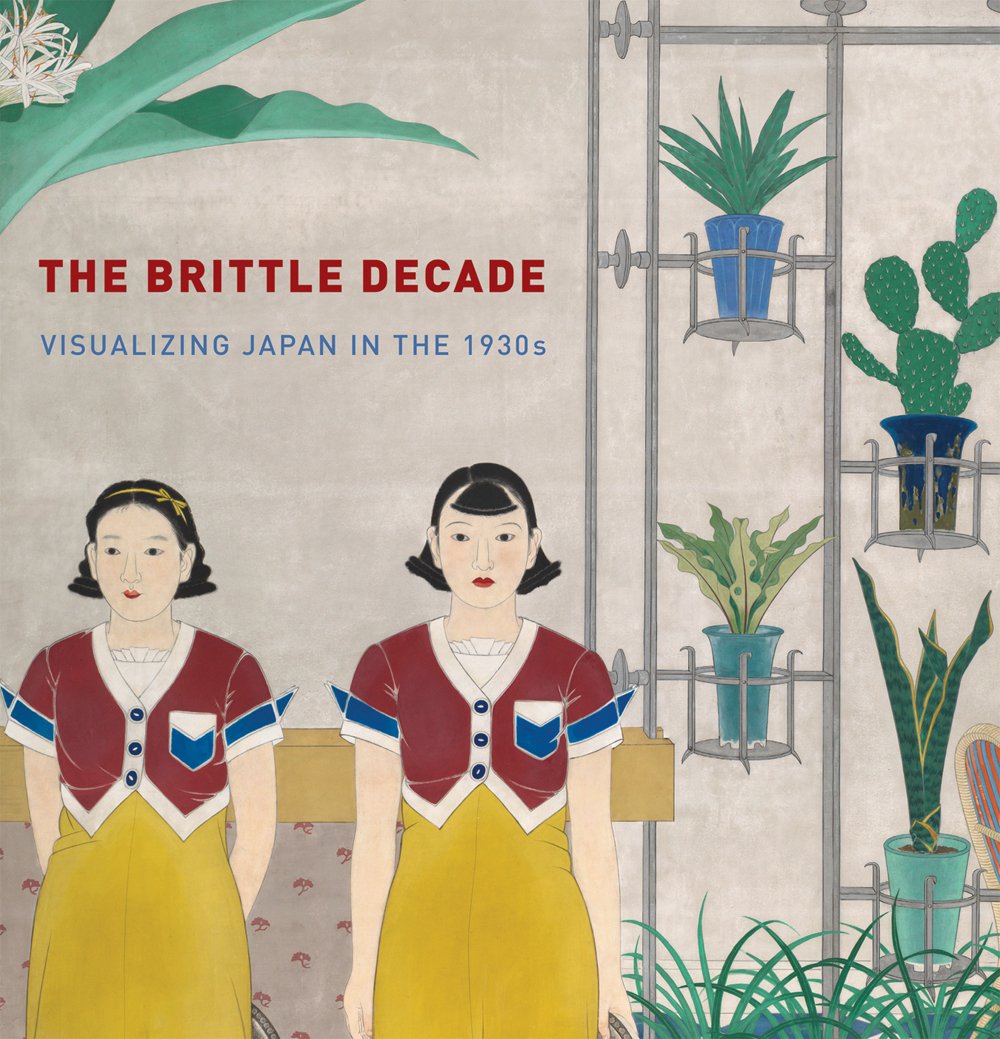
The Brittle Decade: Visualizing Japan in the 1930s
John Dower, Anne Nishimura Morse, Jacqueline Atkins, Frederic Sharf
MFA Publications, Boston, 2012
ISBN: 0878467696
Japan may be more famous for the screens of the Rinpa aesthetic or the woodblock prints of the Edo period, but turning some of your attention to a less-studied era may be rewarding. In The Brittle Decade, the authors explore the vibrant art of Japan in the 1930s, a period full of curious mixtures of old and new–like a kimono patterned with images of tanks.
 
Of course this is only a small sampling of the new materials we have for you! Come in and take a look at the new books shelf, hopefully before they’re all checked out.
2015-02-11 11.29.23

New illuminated manuscripts display in Scholes!

This isn’t a full blog post, just a heads up–come check out the new display in Scholes, in the case by the reference desk!  Students from Kate Dimitrova’s illuminated manuscripts class used medieval recipes and techniques to decorate their own pieces of parchment, and the results (along with two pages from our own facsimile collection) are on display.
A full post with pictures of the event artists and their work will be posted later.